What Temp To Bake Cake In Oven For Moist Delicious Cake
Baking a cake at the right temperature is the single most important factor for achieving a moist, fluffy, and delicious result. Most cakes bake best between 325°F and 350°F, but the ideal oven temperature for cake depends on the type of cake, pan size, and oven you use. This guide covers everything you need to know about cake baking temperature, from preheating tips to avoiding common pitfalls that ruin your bake.
There is nothing quite like the smell of a freshly baked cake filling your kitchen. Whether you are baking for a birthday, a holiday celebration, or just because, the baking temperature you choose can make or break your final result. Too hot, and the outside burns while the inside stays raw. Too cool, and your cake turns out dense, flat, and dry.
So what temp to bake cake in oven? The answer is not as simple as one number. Different cake types, different pan sizes, and even different ovens all play a role. But do not worry. By the end of this guide, you will know exactly what oven temperature for cake works best in every situation. You will also learn practical tips that take your baking from average to amazing.
Moist, delicious cake starts with understanding heat. Let us dive into the details so you can bake with confidence every single time.
Key Takeaways
- 325°F to 350°F is the sweet spot: Most cakes bake perfectly in this range for even rise and moist texture.
- Always preheat your oven: A properly preheated oven ensures consistent heat from the moment the cake goes in.
- Use an oven thermometer: Built-in oven dials can be inaccurate by 25°F or more, leading to over- or under-baking.
- Convection ovens need lower temps: Reduce the temperature by 25°F when using a fan-forced convection setting.
- Avoid opening the oven door early: This causes temperature drops that can make your cake collapse or develop uneven texture.
- Pan size and batter depth matter: Thicker batters may need slightly lower temperatures and longer baking times.
- The toothpick test is your best friend: A clean or lightly crumbed toothpick means your cake is done and perfectly baked.
📑 Table of Contents
- The Ideal Oven Temperature for Baking a Cake
- How Oven Type Affects Cake Baking Temperature
- Common Cake Baking Mistakes and How to Avoid Them
- Tips for a Moist and Evenly Baked Cake
- Testing Your Cake for Doneness
- Quick Reference: Cake Types and Their Ideal Temperatures
- Expert Insights on Baking the Perfect Cake
- Key Takeaways
- Conclusion
The Ideal Oven Temperature for Baking a Cake
Most cake recipes call for an oven temperature between 325°F and 350°F. This range works because it allows the cake to rise evenly without the edges burning before the center is done. But why does this range work so well? Let us break it down.
Why 350°F Is the Most Common Setting
The temperature of 350°F has been a standard in home baking for decades. At this heat, the cake batter heats up gradually. The leavening agents, whether baking soda or baking powder, activate at a steady pace. This creates small, even air bubbles that give your cake a light and tender crumb.
At 350°F, the outer edges of the cake set at a moderate rate. This means the center has time to catch up. The result is a cake with a slightly domed top, even color, and a moist interior. If you have ever wondered why your grandmother’s cake recipe always said 350°F, now you know.
When to Use 325°F Instead
Lower temperatures like 325°F are perfect for certain situations. If you are baking a large cake or using deep pans, a lower temperature prevents the edges from over-baking while the center catches up. This is also the go-to temperature for butter cakes and vanilla cakes where you want a super tender, fine crumb.
Baking at 325°F also reduces the risk of a cracked top. If you have ever pulled a cake out of the oven only to find a deep crack running down the middle, the oven was likely too hot. Dropping the temperature by 25 degrees can solve this problem entirely.
The Role of Leavening Agents in Baking Temperature
Your cake recipe likely includes leavening agents that react with heat. Baking powder releases gas in two stages: once when mixed with wet ingredients and again when heated. Baking soda reacts immediately when it meets an acidic ingredient like buttermilk or yogurt.
Because of these reactions, the cake baking temperature needs to be stable and consistent. If your oven fluctuates too much, the leavening process becomes unpredictable. This can lead to a cake that rises unevenly or sinks in the middle after cooling.
How Oven Type Affects Cake Baking Temperature
Not all ovens are created equal. The type of oven you use has a big impact on the baking temperature for cake and the final result. Let us look at the most common types.
Standard Conventional Ovens
Most home ovens are conventional ovens that heat from the bottom element. In these ovens, heat rises naturally, which creates some temperature variation inside the oven cavity. The bottom of the oven is hotter, while the top is cooler.
For conventional ovens, 350°F is usually the standard setting. However, hot spots are common. To check for hot spots, place a piece of white bread on a baking sheet and toast it at 350°F for a few minutes. The spots that brown faster indicate where the heat is strongest. Knowing this helps you position your cake pan for more even baking.
Convection Ovens
Convection ovens use a fan to circulate hot air around the food. This creates a more uniform temperature throughout the oven cavity. Because the heat is more efficient, you need to adjust your oven temperature for cake downward.
The general rule is to reduce the temperature by 25°F when baking in a convection oven. So if a recipe says 350°F, set your convection oven to 325°F. The fan helps the heat reach every part of the cake more evenly, which can actually improve your results.
However, convection ovens can sometimes dry out cakes if the temperature is too high or the baking time is too long. Keep a close eye on your cake during the first few times you use the convection setting. You may need to adjust the cake baking time slightly as well.
Toaster Ovens and Mini Ovens
If you are using a toaster oven, you need to be extra careful with temperature. These smaller ovens heat up faster but also lose heat more quickly when the door opens. The baking temperature for cake in a toaster oven should be the same as a regular oven, but the baking time is often shorter.
Use a smaller cake pan that fits comfortably inside the toaster oven. Avoid opening the door frequently, as this causes significant temperature drops. A toaster oven thermometer can be a lifesaver here since these ovens tend to have even less accurate built-in thermostats.
Common Cake Baking Mistakes and How to Avoid Them
Even experienced bakers make mistakes. The good news is that most cake problems come down to temperature and timing. Here are the most common errors and how to fix them.
Not Preheating the Oven
This is the number one mistake people make. Putting a cake into a cold or lukewarm oven throws off the entire baking process. The leavening agents do not activate properly, and the cake rises unevenly.
Always preheat your oven for at least 15 to 20 minutes before placing the cake inside. This gives the oven walls and racks time to absorb heat and maintain a consistent temperature. Use an oven thermometer to verify that your oven has actually reached the set temperature before you load the cake in.
Opening the Oven Door Too Early
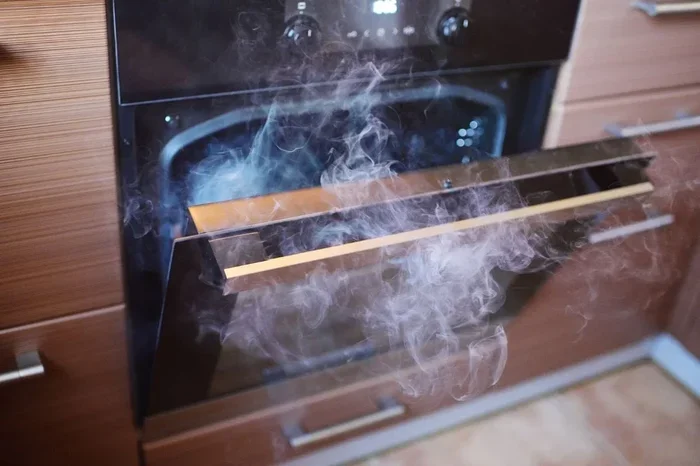
It is tempting to peek inside the oven to check on your cake. But every time you open the door, you let out a burst of heat. The temperature can drop by 25°F or more in just a few seconds. This sudden change can cause the cake to collapse or develop an uneven texture.
Wait at least 75% of the estimated baking time before you even think about opening the door. Use the oven light to check on the cake’s progress instead. If you must open the door, do it quickly and close it right away.
Using the Wrong Pan Size
The baking pan size directly affects how the heat reaches the batter. A pan that is too small causes the batter to overflow and the edges to burn. A pan that is too large spreads the batter too thin, and the cake dries out quickly.
Always follow the pan size recommended in the recipe. If you need to substitute, adjust the baking temperature for cake accordingly. A thinner layer of batter in a larger pan may need a slightly higher temperature for a shorter time, while a deeper pan may benefit from a lower temperature and longer bake.
Overmixing or Undermixing the Batter
Mixing the batter too much develops excess gluten, which makes the cake tough and dense. Mixing too little leaves flour pockets and uneven texture. Both problems are not directly temperature-related, but they interact with heat in ways that affect the final result.
Mix the batter just until the ingredients are combined. Scrape the sides of the bowl occasionally to make sure everything is evenly incorporated. A well-mixed batter at the right oven temperature for cake will rise beautifully and bake evenly.
Ignoring Altitude Adjustments
If you live at a high altitude, you already know that baking can be tricky. The lower air pressure at high altitudes causes liquids to evaporate faster and gases to expand more quickly. This means you may need to adjust your cake baking temperature upward slightly, typically by 15°F to 25°F.
You should also reduce the baking time slightly and increase the liquid in your recipe. High-altitude baking is a science in itself, but getting the temperature right is the most important first step.
Tips for a Moist and Evenly Baked Cake
Everyone wants a cake that is moist, tender, and baked from edge to center. Here are some proven tips that help you achieve that perfect result every time.
Use Room Temperature Ingredients
Take your eggs, butter, and milk out of the refrigerator at least 30 minutes before you start baking. Room temperature ingredients blend together more smoothly and create a more uniform batter. This means the heat from your baking temperature can work more evenly throughout the cake.
Cold ingredients can cause the batter to curdle or mix unevenly, which leads to pockets of raw flour and inconsistent baking. A few minutes of planning ahead makes a huge difference.
Prepare Your Pans Properly
Grease your cake pans with butter or non-stick cooking spray, then dust them lightly with flour. This creates a smooth surface that allows the cake to release easily after baking. For extra insurance, line the bottom of the pan with parchment paper.
Some bakers also wrap the outside of their pans with a strip of damp cloth or aluminum foil. This insulates the edges and prevents them from baking too fast, which helps the cake center cook at the same rate as the edges.
Place the Pan in the Center of the Oven
The center rack is almost always the best position for baking a cake. It allows hot air to circulate evenly around the pan. Placing the pan too close to the top or bottom element can cause one side to overbake while the other side remains underdone.
If you are baking multiple cakes at once, stagger the racks and rotate the pans halfway through the cake baking time. This promotes even browning and consistent results across all layers.
Do Not Overbake
Overbaking is the fastest way to turn a moist cake into a dry, crumbly disaster. Start checking your cake a few minutes before the minimum baking time listed in the recipe. Use the toothpick test: insert a toothpick into the center of the cake. If it comes out clean or with just a few moist crumbs, the cake is done.
Remember that the cake continues to cook slightly after you remove it from the oven. This is called carryover baking. Pulling the cake out just a minute or two early can make a big difference in moisture content.
Let the Cake Cool Properly
Do not rush the cooling process. Let the cake cool in the pan for about 10 to 15 minutes after removing it from the oven. This allows the structure to set and makes it easier to remove from the pan without breaking apart.
After the initial cooling in the pan, transfer the cake to a wire rack to cool completely before frosting. Frosting a warm cake causes the frosting to melt and slide off, and it can also make the cake soggy on the inside.
Testing Your Cake for Doneness
Knowing when a cake is fully baked is a skill that every baker needs to develop. There are several reliable methods to check for doneness beyond just relying on the timer.
The Toothpick Test
This is the most popular and reliable method. Insert a toothpick or thin wooden skewer into the center of the cake. If it comes out clean or with a few dry crumbs, your cake is done. If wet batter clings to the toothpick, the cake needs more time.
Be careful not to test too close to the edge of the pan, where the cake bakes faster. The center is the last part to finish, so always test the middle.
The Spring-Back Test
Gently press the top of the cake with your fingertip. A properly baked cake will spring back immediately. If your finger leaves an indent, the cake needs more time in the oven. This test works especially well for sponge cakes and chiffon cakes.
The Visual Test
A fully baked cake will pull slightly away from the edges of the pan. The top should be golden and firm to the touch. The edges should look set and slightly darker than the center, which is normal.
The Internal Temperature Test
For the most precise results, use a digital instant-read thermometer. Insert it into the center of the cake. Most cakes are done when the internal temperature reaches between 200°F and 210°F. This method takes the guesswork out of checking cake doneness and is especially helpful for large or multi-layer cakes.
Quick Reference: Cake Types and Their Ideal Temperatures
Different types of cakes perform best at slightly different temperatures. Here is a quick reference guide to help you choose the right oven temperature for cake based on what you are baking.
- Vanilla Butter Cake: 350°F for 25 to 35 minutes depending on pan size.
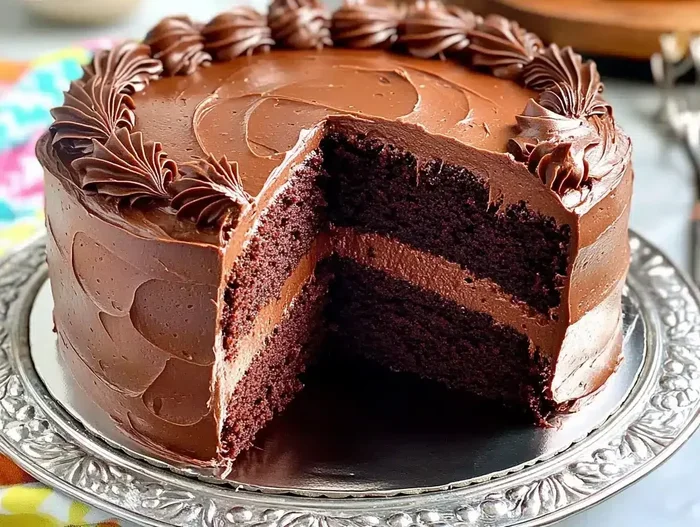
- Chocolate Cake: 350°F for 30 to 40 minutes. Chocolate batter benefits from even heat distribution.
- White Cake: 325°F to 350°F for a tender, fine crumb. 325°F is ideal for extra moisture.
- Red Velvet Cake: 350°F for 25 to 30 minutes. This cake type benefits from a standard temperature.
- Pound Cake: 325°F for 50 to 60 minutes. The dense batter needs a lower temperature to bake through evenly.
- Sponge Cake: 350°F for 20 to 30 minutes. Sponge cakes rely on egg whites for lift and need consistent heat.
- Carrot Cake: 350°F for 30 to 40 minutes. The moisture from carrots helps keep this cake tender.
- Funfetti Cake: 350°F for 25 to 35 minutes. A classic choice that bakes beautifully at standard temperature.
These temperatures are starting points. Always refer to your specific recipe and adjust based on your oven’s behavior. Every oven has its own personality, and learning yours takes a bit of practice and observation.
Expert Insights on Baking the Perfect Cake
Professional bakers have spent years refining their techniques, and many of their insights can help you at home. Here are some expert tips that can elevate your cake baking game.
Invest in an Oven Thermometer
Most ovens are off by 10°F to 25°F from the temperature they display. This might not sound like much, but it can be the difference between a perfect cake and a disappointing one. An inexpensive oven thermometer placed inside your oven gives you a clear picture of the actual temperature.
Many bakers consider an oven thermometer the single most important tool for consistent results. It costs just a few dollars and eliminates a huge variable from your baking process.
Rotate Your Pan Halfway Through
Even in convection ovens, heat distribution is not always perfect. Rotating your cake pan 180 degrees halfway through the baking time helps ensure even browning on all sides. This simple step can prevent one side of your cake from being darker than the other.
Use oven mitts and rotate quickly to minimize heat loss. The entire process should take just a few seconds.
Do Not Double a Recipe Without Adjusting
If you need to bake two cake layers at the same time, place them on separate racks and rotate them halfway through. However, doubling a recipe does not mean simply doubling the baking time. The batter depth stays the same if you use two same-sized pans, so the baking temperature for cake remains unchanged. But if you use one larger pan, you will need to adjust both the temperature and the time.
Let Your Cake Rest Before Frosting
Patience is a virtue in baking. Allowing your cake to cool completely before you frost it prevents melting, sliding, and absorption of moisture from the frosting into the cake layers. A fully cooled cake also has a firmer structure, which makes it easier to stack and decorate.
Key Takeaways
- 325°F to 350°F is the sweet spot: Most cakes bake perfectly in this range for even rise and moist texture.
- Always preheat your oven: A properly preheated oven ensures consistent heat from the moment the cake goes in.
- Use an oven thermometer: Built-in oven dials can be inaccurate by 25°F or more, leading to over- or under-baking.
- Convection ovens need lower temps: Reduce the temperature by 25°F when using a fan-forced convection setting.
- Avoid opening the oven door early: This causes temperature drops that can make your cake collapse or develop uneven texture.
- Pan size and batter depth matter: Thicker batters may need slightly lower temperatures and longer baking times.
- The toothpick test is your best friend: A clean or lightly crumbed toothpick means your cake is done and perfectly baked.
Conclusion
Baking the perfect cake comes down to understanding what temp to bake cake in oven and respecting the process. The ideal oven temperature for cake is typically between 325°F and 350°F, but the exact number depends on your cake type, pan size, and oven. By preheating properly, avoiding common mistakes, and using the tips in this guide, you can bake a moist, delicious cake every single time.
Remember that baking is both a science and an art. The baking temperature for cake sets the foundation, but your attention to detail, your patience, and your willingness to learn from each bake are what truly make the difference. Trust your oven thermometer, respect the cake baking time, and never be afraid to pull the cake out a little early. Carryover baking will finish the job for you.
Now go preheat that oven, grab your favorite recipe, and bake something wonderful. The perfect moist cake is waiting for you, and with the knowledge you have gained today, you are ready to create it.
Frequently Asked Questions
What is the best temperature to bake a cake in a regular oven?
The best temperature for most cakes in a regular conventional oven is 350°F. This temperature allows the cake to rise evenly, develop a golden crust, and bake through without drying out. For a more tender result, you can lower the temperature to 325°F, which is especially helpful for larger or deeper cake pans.
Can I bake a cake at 300°F?
Yes, you can bake a cake at 300°F, but it will take longer. This lower temperature is useful for very large cakes or when you want an ultra-moist, evenly baked result. The trade-off is a longer baking time, which can sometimes lead to a drier cake if left in too long. Always use the toothpick test to check for doneness.
Do I need to adjust the temperature for a convection oven?
Yes, you should reduce the temperature by 25°F when using a convection oven. For example, if a recipe calls for 350°F in a conventional oven, set your convection oven to 325°F. The fan in a convection oven circulates hot air more efficiently, which means the cake bakes faster and more evenly at a lower temperature.
How do I know if my oven temperature is accurate?
The easiest way to check is with an oven thermometer. Place it inside your oven and compare the reading to the temperature dial on your oven. Most ovens are off by at least 10°F to 25°F. An inexpensive oven thermometer is one of the best investments you can make for consistent cake baking results.
Why did my cake come out dry even though I followed the recipe?
A dry cake is usually caused by overbaking, too high a temperature, or too much flour. If your oven runs hot, the outside of the cake bakes too fast while the inside dries out. Using an oven thermometer and checking the cake a few minutes before the minimum baking time can help prevent this issue.
Should I use the same temperature for all cake types?
No, different cake types benefit from slightly different temperatures. Dense cakes like pound cake do better at 325°F, while lighter cakes like sponge and vanilla cakes bake well at 350°F. Always check the specific recipe for the recommended baking temperature, and adjust based on your oven’s behavior and the pan size you are using.