Everything You Need To Know About How To Use Automatic Oven
An automatic oven makes cooking simpler, faster, and more consistent than ever before. This guide walks you through every step, from preheating and using digital controls to cleaning and troubleshooting your appliance. You will learn how to get perfectly baked, roasted, and grilled dishes every single time with your automatic oven.
Have you ever stood in front of your automatic oven and felt completely lost? The buttons, the settings, the symbols — it can all feel overwhelming. But here is the good news. Once you understand the basics, using an automatic oven is actually really simple and even fun.
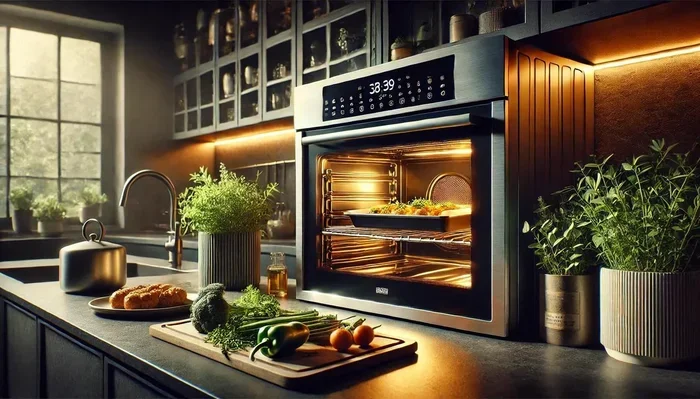
An automatic oven is one of the most useful kitchen appliances you can own. It handles the hard work for you. Whether you want to bake a cake, roast chicken, or reheat leftover pizza, your automatic oven has you covered. This guide will show you exactly how to use it like a pro.
We are going to cover everything. From the very first setup to advanced cooking tips. You will learn about digital controls, cooking presets, temperature settings, and much more. By the end of this article, you will feel confident and ready to create delicious meals with ease.
Key Takeaways
- Easy Setup: Learn how to install and prepare your automatic oven for first use in minutes.
- Smart Cooking Modes: Discover how cooking presets and digital controls take the guesswork out of meal prep.
- Perfect Results Every Time: Master temperature settings, preheating, and rack placement for evenly cooked food.
- Low Maintenance: Understand self-cleaning features and simple upkeep tips to keep your oven running smoothly.
- Energy Efficient: Use your automatic oven wisely to save electricity and cook faster.
- Safety First: Follow essential safety practices to protect your kitchen and family.
📑 Table of Contents
- What Is an Automatic Oven and Why Should You Use It?
- How to Set Up Your Automatic Oven for the First Time
- Understanding the Controls and Settings of Your Automatic Oven
- How to Cook Different Dishes Using Your Automatic Oven
- Maintenance Tips to Keep Your Automatic Oven Running Smoothly
- Common Mistakes People Make When Using an Automatic Oven
- Safety Tips for Using Your Automatic Oven
- Comparison: Automatic Oven vs Traditional Oven
- Final Thoughts on Using Your Automatic Oven
What Is an Automatic Oven and Why Should You Use It?
An automatic oven is a modern oven that uses built-in technology to control cooking. It adjusts temperature settings, cooking time, and even airflow on its own. This means you do not need to guess or watch the food constantly.
Traditional ovens require you to set the temperature and keep track of time yourself. An automatic oven takes away that guesswork. It uses sensors and smart programs to cook food the right way. Many models also include convection fans that spread heat evenly inside the oven.
So why should you care? Because an automatic oven saves you time and stress. It gives you crispy results and evenly cooked meals without much effort. If you love cooking or even just warming up food, this appliance is a game changer.
Key Features of a Modern Automatic Oven
Most automatic ovens come packed with helpful features. Here are some of the most common ones you will find:
- Digital Display Controls: These let you set the exact temperature and time with a simple touch.
- Cooking Presets: Built-in programs for pizza, bread, cake, roast, and more. You just press one button.
- Convection Technology: A fan circulates hot air so food cooks evenly on all sides.
- Self-Cleaning Mode: This feature uses high heat to burn off grease and food residue inside the oven.
- Timer and Auto-Shutoff: The oven turns off automatically when the set time is up. This keeps your kitchen safe.
- Multiple Rack Positions: You can adjust the oven racks depending on what you are cooking.
All of these features work together to make your cooking experience smoother. The better you understand them, the more you will enjoy using your automatic oven.
How to Set Up Your Automatic Oven for the First Time
Setting up your automatic oven for the first time is straightforward. But taking a few extra steps at the beginning makes a big difference in performance and lifespan.
Step-by-Step First-Time Setup
- Unbox and Inspect: Carefully remove the oven from the box. Check for any visible damage during shipping. Make sure all parts like oven racks, trays, and knobs are present.
- Clean Inside and Out: Wipe the interior with a damp cloth. Remove any dust, packaging stickers, or protective coatings. Do not use harsh chemicals on the inside.
- Place on a Flat Surface: Make sure the oven sits on a stable, heat-resistant surface. Keep it away from walls and other appliances to allow proper ventilation.
- Plug It In Safely: Use a grounded electrical outlet. Avoid using extension cords. Check that the voltage matches your home supply.
- Run a Test Cycle: Turn the oven on to a medium temperature, around 180 degrees Celsius. Let it run for 10 to 15 minutes. This burns off any remaining factory residue.
- Read the Manual: Every automatic oven model is slightly different. Spend 10 minutes reading the user manual. You will learn about specific buttons, warnings, and tips.
Quick Tip: After the test cycle, wipe the inside one more time. You will likely notice a slight smell or some residue from the first heating. This is completely normal and harmless.
Understanding the Controls and Settings of Your Automatic Oven
The digital controls on an automatic oven might look complicated at first glance. But they are actually designed to be simple and intuitive. Once you know what each button does, you will feel much more comfortable.
Temperature Settings
Temperature settings control how hot the oven gets. Most automatic ovens range from 50 to 250 degrees Celsius. Different foods need different temperatures. For example, bread usually bakes at around 190 degrees, while roasting meat often requires 200 degrees or higher.
Always preheat your oven before placing food inside. Preheating means turning the oven on and letting it reach the desired temperature first. This ensures your food starts cooking at the right heat from the very beginning. Skipping this step can lead to unevenly cooked meals.
Cooking Presets and Recipe Modes
One of the best things about an automatic oven is the cooking presets. These are pre-programmed settings for popular dishes. You do not need to guess the temperature or time. Just select the preset and let the oven do the work.
Common presets include:
- Pizza Mode: Uses high heat and convection for a crispy crust.
- Baking Mode: Provides steady, moderate heat for cakes and cookies.
- Roast Mode: Combines high heat with fan circulation for golden, tender meat.
- Reheat Mode: Gently warms food without drying it out.
- Broil Mode: Uses top heat only for browning and grilling.
These recipe modes are incredibly helpful for beginners. Even experienced cooks use them for convenience. Over time, you will learn which preset works best for which dish.
Timer and Auto-Shutoff Functions
The timer function lets you set how long the oven runs. Most automatic ovens have a digital timer that beeps or sounds an alarm when the time is up. Some models also feature an auto-shutoff that turns the oven off completely when cooking is finished.
This is a great safety feature. You do not need to worry about forgetting to turn the oven off. The oven handles it for you. Just make sure to set the timer correctly before starting your recipe.
How to Cook Different Dishes Using Your Automatic Oven
Now that you understand the controls, let us talk about actually cooking with your automatic oven. Different dishes require different approaches. Here is how to get the best results for common meals.
Baking Cakes and Bread
Baking in an automatic oven is a wonderful experience. The convection fan distributes heat evenly, which means your cake rises uniformly and your bread gets a perfect golden crust. For baking, follow these simple steps:
- Preheat the oven to the temperature stated in your recipe.
- Place the baking tray or cake pan on the middle oven rack.
- Set the timer based on the recipe instructions.
- Avoid opening the oven door too often. Each time you open it, heat escapes and the temperature drops.
- Use the toothpick test to check if your cake is done. Insert a toothpick into the center. If it comes out clean, your cake is ready.
Roasting Meat and Vegetables
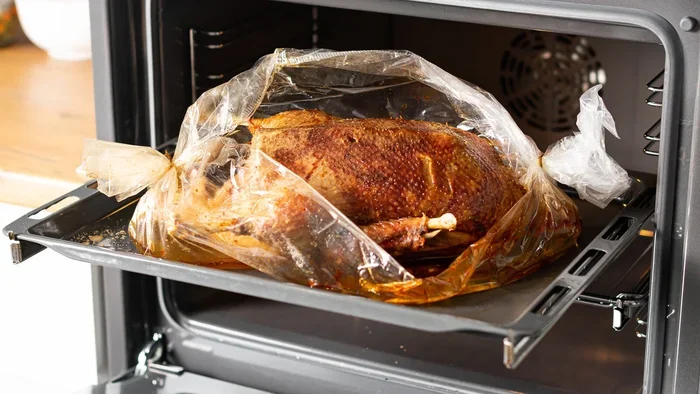
Roasting is one of the most popular uses for an automatic oven. The even heat distribution creates beautifully crispy outsides and juicy insides. For roasting:
- Use the roast preset or set the temperature between 180 and 220 degrees Celsius.
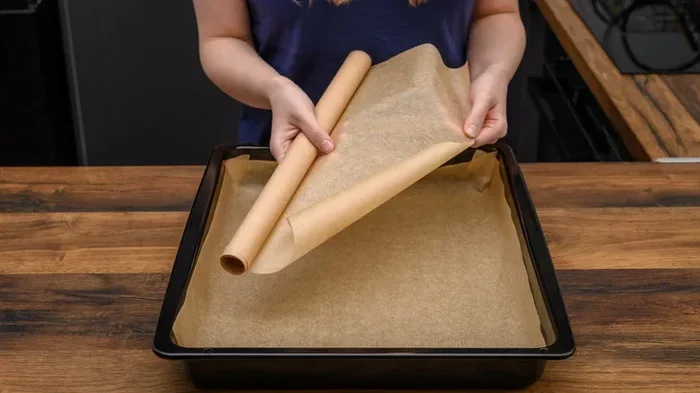
- Place the meat or vegetables on a baking tray lined with parchment paper.
- Leave enough space between pieces so hot air can circulate freely.
- Flip or stir halfway through the cooking time for even browning.
- Use a meat thermometer to check internal temperature for safety.
Reheating Leftovers
Reheating food in an automatic oven is much better than using a microwave. The oven keeps food crispy and flavorful. Use the reheat preset at around 150 to 170 degrees Celsius. Cover your food with aluminum foil to prevent it from drying out. Reheat for 5 to 10 minutes and enjoy restaurant-quality leftovers.
Maintenance Tips to Keep Your Automatic Oven Running Smoothly
Taking care of your automatic oven extends its life and keeps it performing at its best. Regular maintenance is simple and does not take much time.
Cleaning Your Oven After Every Use
Wipe down the inside of your oven after each use while it is still warm. This makes it easy to remove any spills or crumbs. Use a soft damp cloth with mild soap. Avoid using abrasive scrubbers that can scratch the interior surface.
Using the Self-Cleaning Feature
Most modern automatic ovens include a self-cleaning oven mode. This feature heats the oven to very high temperatures, usually around 400 to 500 degrees Celsius, to burn off tough grease and food residue. The result is a clean oven with minimal effort.
Here is how to use it safely:
- Remove all food debris and oven racks before starting the self-clean cycle.
- Close the oven door tightly.
- Run the cycle for 1 to 3 hours depending on how dirty the oven is.
- Let the oven cool completely before wiping out the ash residue with a damp cloth.
Replacing Parts and Checking for Wear
Over time, some parts of your automatic oven may need replacement. Oven racks can become warped. Heating elements can wear out. Door seals can loosen. Check these parts every few months and replace them when needed. This keeps your oven running energy efficiently and cooking food properly.
Expert Insight: According to appliance experts, cleaning your oven regularly not only improves performance but also reduces fire risk. A clean automatic oven is a safe automatic oven. Make it a habit to do a quick wipe-down after every cooking session.
Common Mistakes People Make When Using an Automatic Oven
Even with the best automatic oven, mistakes can happen. Here are some common errors and how to avoid them.
Skipping the Preheat Step
One of the biggest mistakes is placing food in the oven before it reaches the right temperature. This leads to uneven cooking and longer overall cooking time. Always wait for the preheat signal or indicator light before you put your food inside.
Overcrowding the Oven
It can be tempting to fit as much food as possible on the baking tray. But overcrowding blocks airflow and results in unevenly cooked food. Leave space between items so hot air can move freely around each piece.
Opening the Door Too Often
Every time you open the oven door, you lose heat and the temperature drops. This can cause cakes to sink and roasts to cook unevenly. Trust your timer function and check the food only when the timer goes off.
Ignoring the Manual
Every automatic oven model has its own quirks and features. The user manual contains valuable information specific to your appliance. Skipping it means you might miss helpful tips and important safety warnings.
Safety Tips for Using Your Automatic Oven
Safety should always come first when using any kitchen appliance. Your automatic oven is designed with safety features, but you still need to follow basic precautions.
- Never leave the oven unattended while it is on, especially during high-heat cooking like broiling or roasting.
- Keep flammable items away from the oven. This includes towels, paper, and plastic items.
- Use oven mitts when handling hot trays and racks. The baking tray and racks can get extremely hot even if the food looks done.
- Keep children away from the oven while it is running. The exterior can also get warm during prolonged use.
- Unplug the oven when not in use for extended periods. This saves energy and reduces electrical risk.
Following these simple safety practices ensures that your automatic oven remains a helpful and safe kitchen appliance for years to come.
Comparison: Automatic Oven vs Traditional Oven
Wondering how an automatic oven compares to a traditional one? Here is a quick side-by-side look at the key differences.
| Feature | Automatic Oven | Traditional Oven |
|---|---|---|
| Temperature Control | Digital and precise | Manual dial, less accurate |
| Cooking Presets | Built-in recipe modes | None |
| Convection Fan | Usually included | Not always available |
| Self-Cleaning | Yes, on most models | Manual cleaning only |
| Timer and Auto-Shutoff | Digital timer with auto-off | Basic mechanical timer |
| Energy Efficiency | Generally more efficient | Can use more energy |
| Ease of Use | Very beginner-friendly | Requires more experience |
As you can see, an automatic oven offers clear advantages in almost every area. It is more convenient, more precise, and easier to maintain. If you are in the market for a new oven, going automatic is a smart choice.
Final Thoughts on Using Your Automatic Oven
Using an automatic oven does not have to be intimidating. With a little practice and the knowledge from this guide, you will be cooking amazing meals in no time. Remember to always preheat, use the right cooking presets, and keep your oven clean and well-maintained.
The beauty of an automatic oven is that it works for everyone. Whether you are a complete beginner or a seasoned home cook, the smart features and digital controls make every meal better. You will spend less time worrying and more time enjoying delicious, evenly cooked, crispy food.
Start experimenting with different recipes and settings today. Try the baking mode for cookies, the roast mode for a Sunday dinner, or the reheat mode for quick weeknight meals. Your automatic oven is ready to help you cook with confidence and creativity.
Take your time, have fun, and trust the process. The more you use your automatic oven, the more natural it will feel. Happy cooking!
Frequently Asked Questions
How long does it take to preheat an automatic oven?
Most automatic ovens preheat within 5 to 10 minutes. The exact time depends on the model and the target temperature. Many modern ovens have a preheat indicator light or beep to let you know when the right temperature is reached.
Can I use metal cookware in an automatic oven?
Yes, most automatic ovens are safe to use with metal baking trays, pots, and pans. However, always check your oven manual for specific guidelines. Avoid using plastic or wooden handles that are not heat-resistant inside the oven.
Is a self-cleaning oven safe to use?
Yes, self-cleaning ovens are designed with safety in mind. The high temperatures during the cleaning cycle are controlled and safe. Just make sure to remove all food debris and racks before starting the cycle, and keep pets and children away from the kitchen during cleaning.
What is the difference between convection and regular baking mode?
In convection mode, a fan circulates hot air inside the oven for even cooking. In regular baking mode, heat comes from the top and bottom elements without a fan. Convection mode is great for crispy results and faster cooking times.
How often should I clean my automatic oven?
It is best to wipe down your automatic oven after every use. A deeper cleaning with the self-cleaning feature should be done every 1 to 3 months, depending on how frequently you cook. Regular cleaning keeps your oven performing at its best.
Are automatic ovens more energy-efficient than regular ovens?
Yes, most automatic ovens are designed to be more energy efficient. The precise temperature control and convection technology reduce cooking time and energy use. Over time, this can lead to noticeable savings on your electricity bill.
=== CONCLUSION ===
Using an automatic oven is one of the easiest ways to improve your cooking experience. From setup to daily use, this guide has covered everything you need to know. You now understand the controls, presets, cleaning routines, and safety tips that make a real difference.
The key is to start simple and build your confidence over time. Use the cooking presets for your favorite dishes, experiment with temperature settings, and keep your oven clean and well-maintained. Before long, you will wonder how you ever cooked without one.
Remember, your automatic oven is a powerful kitchen appliance designed to make your life easier. Embrace its features, trust the process, and enjoy the delicious meals it helps you create every single day.